Text +1 (213) 928-7320
Let's chat!

How to Increase Restaurant Sales by Keeping Guests Longer
A guest who stays for one more round spends more, but only when nobody is waiting for that seat. Here is how to keep restaurant and bar guests longer, when it pays, and when to let the table turn.


The verdict
The fastest way to increase restaurant sales without buying more traffic is to make each visit worth more. A guest who stays for a second drink, a dessert or a shared plate adds to the check at no extra marketing cost. The catch is the seat: when a waitlist is building, a lingering table can cost you the next party. So keep guests longer when you have room, turn tables at peak, and remove the small reasons guests leave early, such as a dead phone.
Why dwell time drives restaurant sales
Dwell time is how long a guest stays on your premises. In a restaurant, it runs from seating to the settled check, and it matters because so much add-on spending happens late in the visit: the second round, dessert, coffee, the after-dinner drink. If you want to know how to increase restaurant sales with the guests you already have, start there.
Demand is there, but it is careful. The National Restaurant Association industry report for 2026 projects industry sales of $1.55 trillion, with real (inflation-adjusted) growth of 1.3%, and warns that lingering inflation and a cooling labor market are tightening household budgets. When guests watch their spending, the visits they do make have to count for more.
The room itself changes how long people stay. In a field study published in the Journal of Consumer Research, Ronald Milliman found that background music tempo "can significantly affect purchases, length of stay, and other variables examined." The lesson reaches past music: small cues you control shape how long guests sit and what they order next.
Phones are one of those cues. A guest at 10% battery is already planning the ride home. For more on that link, read our guide on How charging stations extend guest stays.
- Late orders need guests Drinks, dessert and coffee come after the meal is underway, so they depend on the guest still being there.
- Budgets are tighter The NRA expects tighter household budgets in 2026, which makes the check from each visit matter more.
- Small cues add minutes Milliman showed that a cue as simple as music tempo can change length of stay and purchases.
$1.55T projected U.S. restaurant industry sales in 2026 (National Restaurant Association)
Balance longer stays with restaurant table turnover
A longer stay is not always a win, and it is worth being honest about that. Restaurant table turnover is how many parties a table serves in a shift, and at peak it can matter more than check size. Sheryl Kimes of Cornell, who developed the revenue per available seat-hour (RevPASH) measure, wrote that it "captures the trade-off between average check and facility use." If a party holds a table twice as long while a waitlist builds, it has to spend about twice as much to keep that table earning at the same rate.
The rule that falls out of it is simple. A longer stay pays when the seat would otherwise sit empty, and it costs you when someone is waiting for it. Lightspeed's RevPASH guide puts the balance plainly: "Table turnover is tricky; it's important to balance expediency with customer experience."
Speed still wins at peak. In one case Kimes describes, a Phoenix-area Chevys reworked its table mix, retrained servers and tightened how checks were settled, and the extra revenue from higher occupancy paid for the capital costs within a year. Use the table below to decide which mode each part of your week is in.
Stay or turn: a quick test for each part of your week
Situation | What a longer stay does | What to do
Peak dinner with a waitlist | Can cost you the next party | Speed ordering and check delivery, and offer the bar for a final drink
Weeknights and slow afternoons | Add sales to empty seats | Suggest the next round, dessert or an event
Bar seats and patio | Usually add sales, since guests order in rounds | Make the space comfortable and keep phones charged
Large parties on a booking | Neutral if the time is planned | Agree on a time window when they book
5 ways to keep guests ordering
Step 1: Train servers to suggest the next round
The simplest way to increase restaurant revenue from guests already in the room is to ask at the right moment. Good upselling in restaurants is about timing, not pressure: the glass that is a third full, the plates that were just cleared, the guest who glances at the dessert menu.
Teach servers three prompts and when to use them. Offer the next round before the glass is empty. Name one specific dessert or after-dinner drink instead of asking "anything else?" At the bar, offer a shareable plate to guests on their second drink. Then teach the opposite skill for peak hours: when the host stand has a wait, invite a lingering table to the bar for a final drink, which keeps the sale and frees the table.
Quick wins
- Script one specific suggestion per course
- Offer the next round before the glass is empty
- At peak, move the last drink to the bar
Step 2: Add a restaurant phone charging station
A guest watching their battery is a guest planning to leave. In an LG survey of 2,000 U.S. smartphone users, nearly nine out of 10 said they "felt panic" when their battery dropped to 20 percent or lower, and respondents listed ordering something at a bar or restaurant just to use the power outlet among the symptoms. Low battery anxiety cuts visits short.
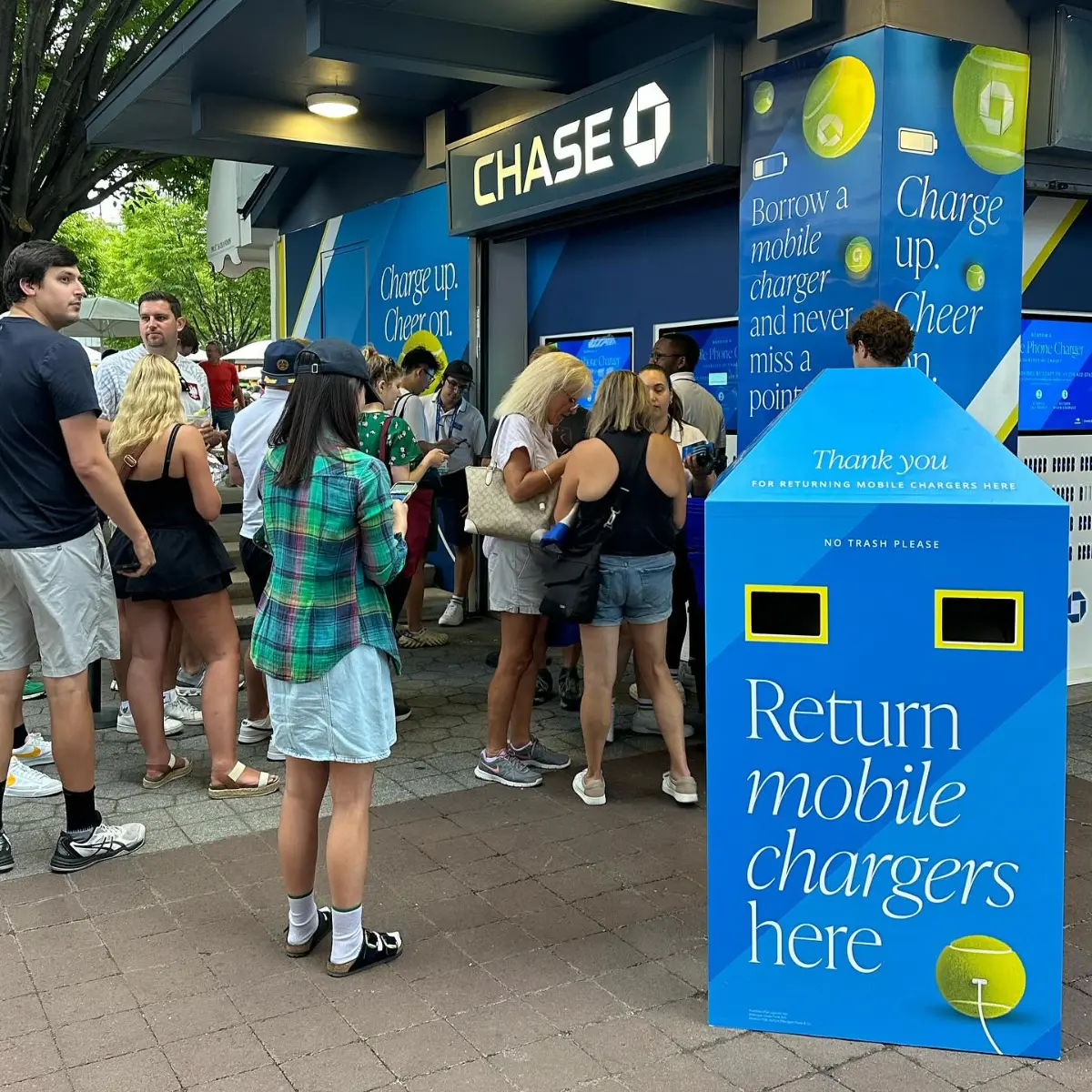
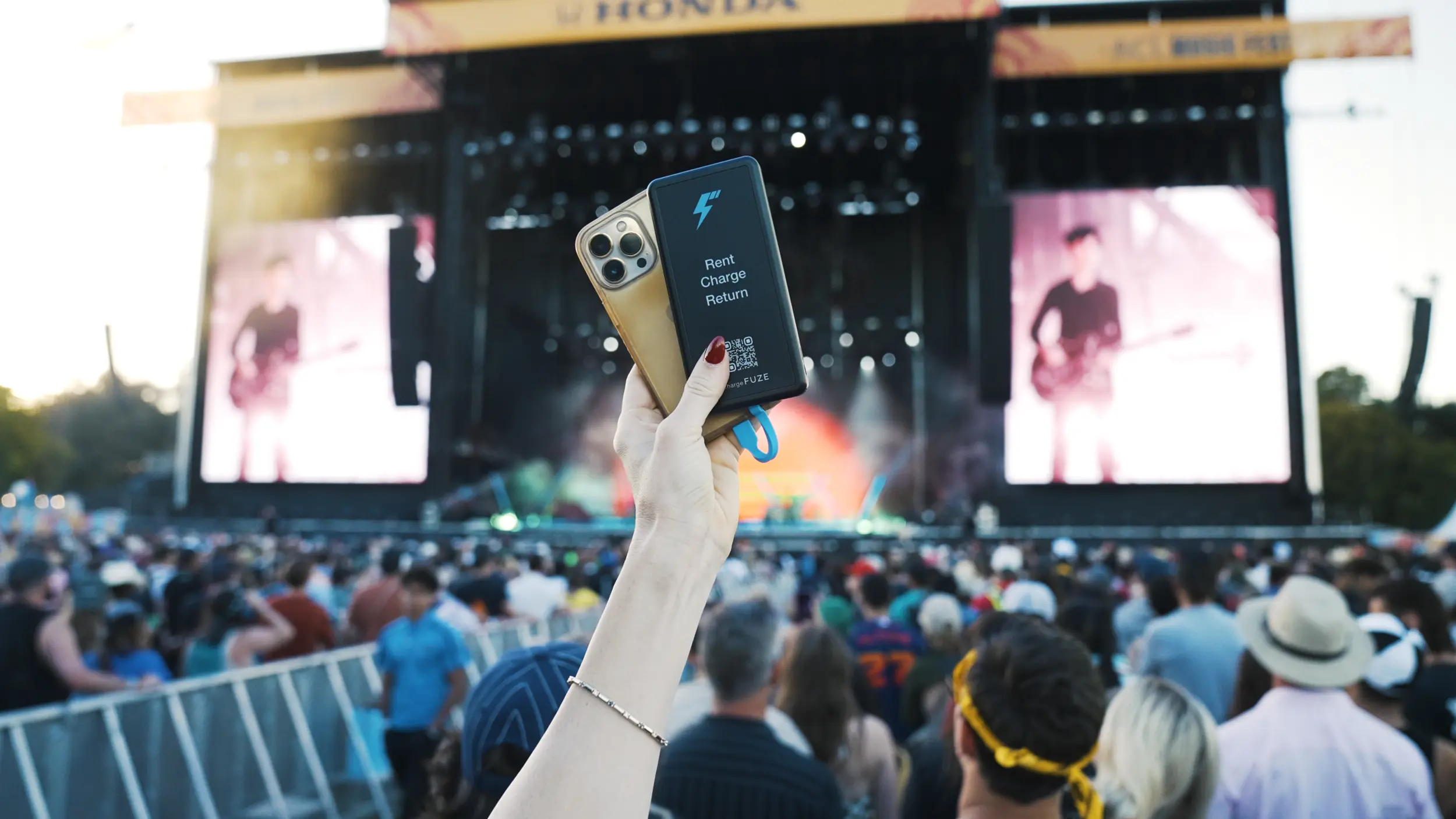
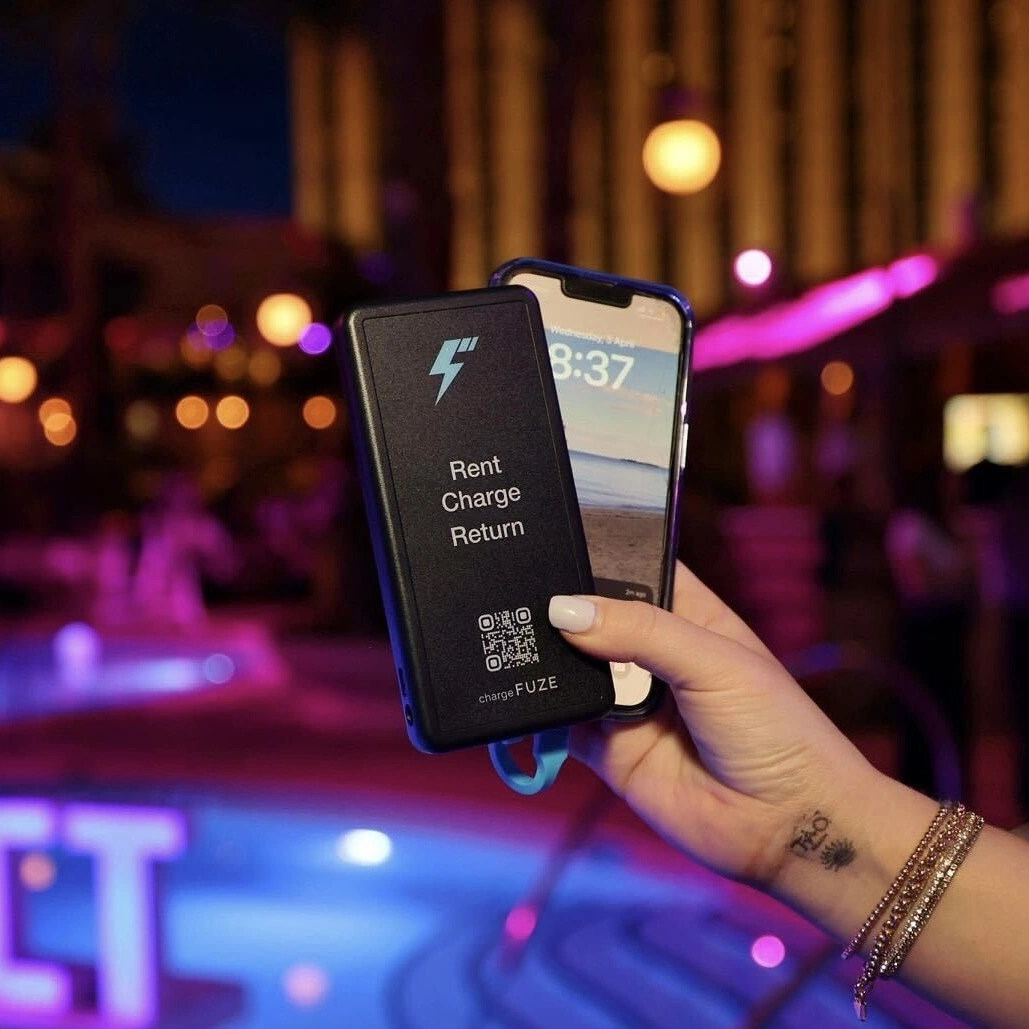
A restaurant phone charging station that rents portable chargers fixes this without tying guests to a wall. With chargeFUZE, a guest scans a QR code at the kiosk, takes the charger back to the table or the bar, and returns it to any chargeFUZE station when done. Untethered charging keeps the guest in the moment: a bar patron keeps ordering drinks instead of hovering by an outlet or heading home.
It also works differently from a free outlet strip. The venue earns a revenue share or a flat placement fee without handling any transactions, while chargeFUZE handles the hardware, maintenance and 24/7 guest support. Screen-equipped stations add venue-based advertising through adFUZE, chargeFUZE's digital out-of-home network, which opens a screen revenue stream. A restaurant cell phone charging station by the host stand or bar becomes an amenity and a revenue line at once.
How much longer will guests stay? chargeFUZE's events page says its stations can "increase dwell time as much as 2x" at events. A dining room is not a festival, so treat that as a figure to test against your own POS data, not a forecast.
Quick wins
- Place the kiosk at the host stand or the bar
- Tell guests at seating that chargers are available
- Compare rentals with average check by daypart
Before you change anything, pull two numbers from your POS for the last month: average check and average minutes per table, split by daypart. The dayparts with open seats and short stays are where keeping guests longer will pay first.
Step 3: Make the bar & patio worth lingering in
Bars and patios are where longer stays pay best, because guests order in rounds and those seats rarely carry a formal waitlist. The restaurant customer experience here comes down to a few basics: seats that invite a second drink, light and heat that keep the patio usable after sunset, and small plates that pair with what guests are already drinking.
Use the cues the research points to. Music tempo changed length of stay in Milliman's study, so set the playlist to the goal: slower and softer when you want guests to settle in, brighter when you need the room to move.
Put power where people sit. Bar rails and patios rarely have outlets, which is exactly where a portable charger earns its place. See chargeFUZE for restaurants & bars for how venues set this up.
Quick wins
- Add small plates that pair with a second drink
- Light and heat the patio for after-sunset seating
- Keep a charging kiosk in sight of the bar
Step 4: Run off-peak events that fill seats
Off peak is where extra dwell time is cheapest, because those seats would otherwise sit empty. If you are working out how to increase restaurant revenue without fighting your Friday rush, start with your slowest hours. Lightspeed's RevPASH guide recommends weekly specials or happy hours in slower periods to bring more guests in.
Guests have already shown they will come early. Restaurant Business reported InMarket location data showing restaurant traffic between 4 and 7 p.m. rose in the second quarter of 2023 compared with a year earlier, including 9% on weekdays and 13% on weekends at casual-dining restaurants, while overall industry traffic was largely stagnant.
Pick formats that keep a table ordering for an hour or more: trivia, live music, watch parties, tasting flights and industry nights. Watch parties drain phones fast, with streams, photos and group chats running all night, so make sure chargers are stocked before kickoff.
Quick wins
- Find your two emptiest hours in your POS data
- Run one recurring event in that slot for six weeks
- Compare sales per seat-hour before and after
Step 5: Use restaurant marketing ideas that bring regulars back
Keeping guests longer works best with guests who already like you. The most useful restaurant marketing ideas for this goal give a regular a reason to come back and settle in: a standing table for the trivia team, a bartender who remembers the usual order, a weeknight perk that rewards staying for the second course rather than just showing up.
Use the screens and surfaces you already have. chargeFUZE kiosk screens are customizable and programmable, so alongside ads they can announce next week's event while a guest waits for a charger. A QR code on the check presenter can do the same at the end of every meal.
Then measure it. Track average check by daypart, minutes per table at peak, charger rentals per night and sales per seat-hour. If check size rises while peak turn times hold steady, the changes are working.
Quick wins
- Tie each regular perk to a slow weekday
- Promote the next event on screens and checks
- Review sales per seat-hour every month
Sources
- National Restaurant Association, 2026 State of the Restaurant Industry (restaurant.org)
- Ronald E. Milliman, "The Influence of Background Music on the Behavior of Restaurant Patrons," Journal of Consumer Research 13(2), 1986
- Sheryl E. Kimes, "Restaurant Revenue Management," Cornell Center for Hospitality Research, 2004
- Lightspeed, "How to Improve Your RevPASH" (lightspeedhq.com)
- LG Electronics USA via PR Newswire, "Low Battery Anxiety" Grips 9 Out of Ten People, May 19, 2016
- Restaurant Business, "Inflation drives surge in happy hour traffic," July 18, 2023 (InMarket data)
- chargeFUZE, Events and Businesses pages (chargefuze.com)
Restaurant sales questions
What are the fastest ways to increase restaurant sales?
The fastest ways to increase restaurant sales use the guests you already have: train servers to suggest the next round at the right moment, fill slow hours with recurring events, and remove the reasons guests leave early, such as a dead phone. Protect table turnover at peak so a longer stay never costs you the next party.
Does a longer stay hurt table turnover?
It can at peak. When a waitlist is building, a party that lingers has to keep ordering to match what the next party would spend. Off peak, when seats are empty, a longer stay costs nothing and every added order is extra revenue. Cornell's Sheryl Kimes measures this with revenue per available seat-hour, which captures the trade-off between average check and how fully seats are used.
Do guests use phone charging stations in restaurants?
Low battery is a common reason to cut a visit short. In an LG survey, nearly nine in 10 smartphone users said they felt panic at 20 percent battery or lower, and respondents listed ordering at a bar or restaurant just to use an outlet among the symptoms. A portable charger lets guests charge at the table and keep ordering. To see how it would work in your space, Talk to chargeFUZE sales.
Keep reading
All articles