Text +1 (213) 928-7320
Let's chat!

Charging Kiosk Ads vs. Digital Billboards: Which Out-of-Home Buy Works Harder?
Digital billboards sell reach. Charging kiosk ads sell attention at the point of use. Here is how they compare on audience, cost, buying options and fit, with real billboard prices from a named buyer and an honest look at where each one wins.

The verdict
Buy digital billboards when the job is reach. Buy charging kiosk ads when the job is attention and action at the point of use.
A digital billboard puts your brand in front of a whole market for a few seconds at a time. A charging kiosk screen reaches fewer people, but each one has stopped at the screen, phone in hand, to use a service your brand can sponsor. Many plans need both. Talk to Sales to price a kiosk flight against your billboard plan.
Out-of-home is growing, and digital is carrying it. U.S. out-of-home revenue reached a record $9.46 billion in 2025, and digital formats made up 36.3% of it, up 10.5% year over year, according to the Out of Home Advertising Association of America (OAAA). So the question for a media buyer is rarely whether to buy out-of-home. It is which screen earns the next dollar.
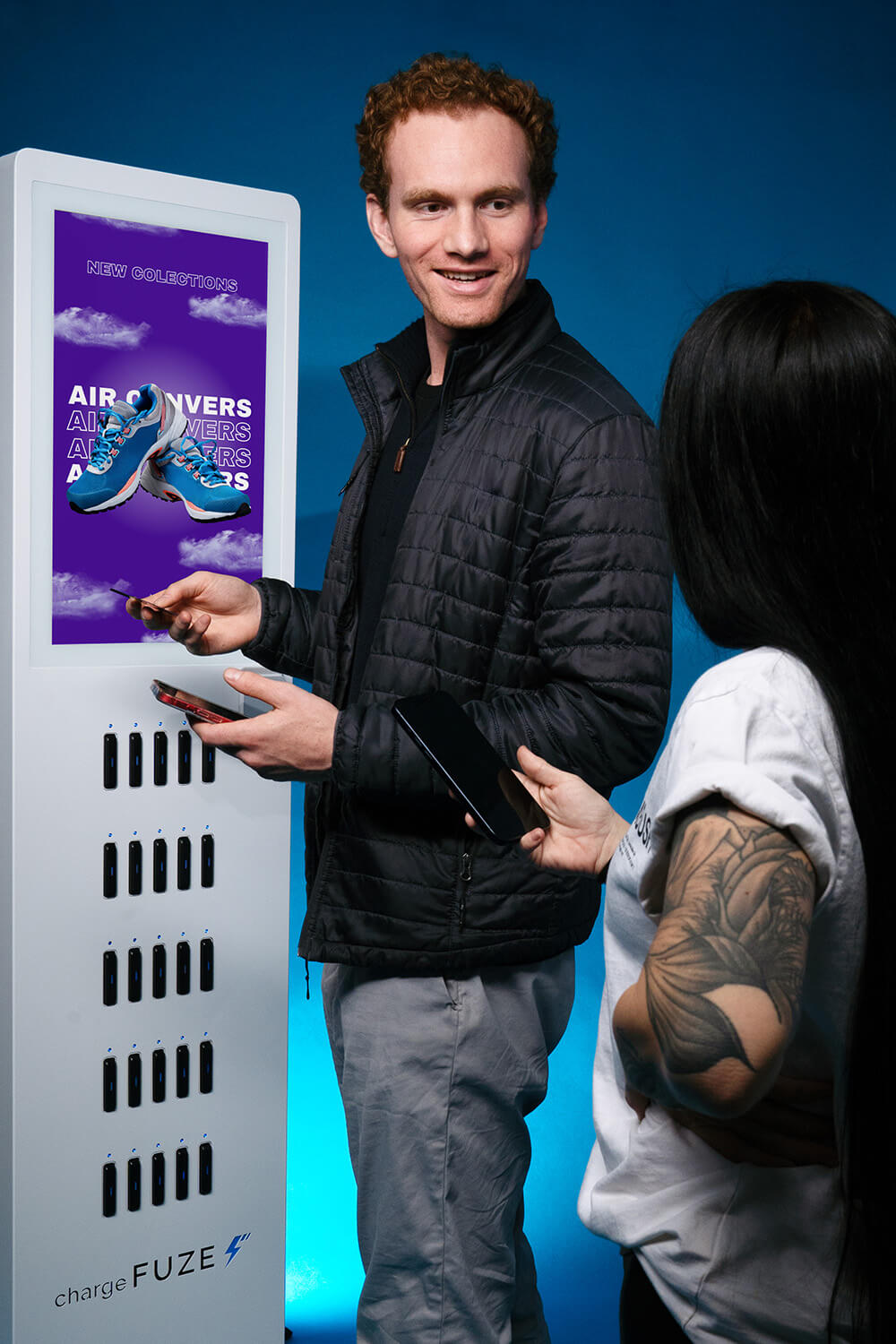
Digital billboards sell scale: large faces on busy roads, shared among advertisers. Charging kiosk ads sell proximity: adFUZE screens on chargeFUZE stations in arenas, malls, casinos, festivals and transit hubs, where the viewer has stopped to rent a portable charger. Here is how they compare, including where billboards win.
Kiosk advertising vs. digital billboard advertising at a glance
Each card below sums up one format in three lines: the state of the viewer, where the screen sits and how you can buy it. Kiosk advertising runs on adFUZE screens on chargeFUZE stations inside venues, and digital billboards are large LED faces on roads that rotate several advertisers' creative.
Plan around the first line. Someone who has stopped to rent a portable charger can scan a code or act on an offer while still on site. Drivers see a billboard for a few seconds, which suits reach and reminders better than an immediate response. The last line shows how each is bought: three buying modes for kiosks, and flights as short as one day for billboards.
Kiosk advertising and digital billboard advertising are both digital out-of-home, but they meet people in opposite states. One viewer is standing still. The other is passing by. For more on the kiosk side, see our guide to charging kiosks as a media channel.
Kiosk advertising
adFUZE screens on chargeFUZE stations. The ad plays where guests rent and return portable chargers, close to the screen with a phone in hand.
- Viewer: Stopped
- Setting: In venues
- Buying modes: Three
Digital billboards
Large LED faces on roads and busy corridors. Each face rotates several advertisers' creative and reaches everyone who passes.
- Viewer: Passing
- Setting: Roadside
- Shortest flight: One day
How do kiosk ads & billboards compare?
Nine features are compared below. Rows with marks follow the key under the table, where a check means the format does it, a half mark means it does so partly and a cross means it does not. Rows in plain text describe how long a typical exposure lasts, how one brand can own the screen and what branding goes beyond it.
The middle rows are where kiosk screens earn their place. The viewer is stopped, the ad sits beside a service the guest is using, and the phone needed for a QR scan is already in hand. Both formats can be bought programmatically, so that row is a draw.
A digital billboard is the reach engine of billboard advertising: one face, a whole road of traffic. A charging kiosk screen trades that scale for a viewer who is close, stopped and holding a phone. The first and last rows are the billboard's real advantages. For how static and digital boards differ, read our explainer on traditional vs. digital OOH differences, and browse the OAAA out of home resources for every format.
Feature | Charging kiosk ads | Digital billboards
Reach across a whole market | partial | yes
Viewer stopped at the screen | yes | no
Typical exposure | Rental pickup and return | Two to three seconds
Ad tied to a service the viewer is using | yes | no
QR scan with the phone already in hand | yes | partial
One brand can own the screen | Sponsorship | Shared rotation
Branded hardware beyond the screen | Wrapped stations and power banks | no
Programmatic buying | yes | yes
Published price benchmarks | no | yes
How much does a billboard cost next to a kiosk campaign?
So how much does a billboard cost for a standard four-week flight? AdQuick publishes what advertisers actually paid on its marketplace from July 2025 to June 2026, and notes that these figures reflect static-format buys. Treat them as the floor of billboard advertising cost before the digital premium.
Market (DMA rank) | Median 4‑week rate per unit | Typical 4‑week range
Top 10 markets | $3,300 | $1,800 to $6,100
Markets 11 to 50 | $2,200 | $1,350 to $3,500
Markets 51 to 100 | $1,400 | $750 to $2,300
Markets 101 and up | $1,200 | $800 to $1,950
Source: AdQuick marketplace transactions, July 2025 to June 2026.
A charging kiosk campaign is priced differently. adFUZE does not publish a rate card. You buy in one of three ways: direct campaigns on adFUZE screens, programmatic campaigns placed automatically across the network, or a sponsorship that makes the charging itself your brand's gift to guests. Each is quoted for your venues, dates and goals.
Charging kiosk campaign
Custom quote direct, programmatic or sponsorship through adFUZE
- Priced for the venues and dates you choose
- Sponsorship can add wrapped stations and branded power banks
- Ask for the verified views and outcomes adFUZE reports
Billboard, top 10 market
$3,300 median per unit for four weeks, static buys on AdQuick
- Digital faces cost more per thousand views
- Creative and management are extra
- On digital, your ad shares the face
Note Compare like with like. Ask for a kiosk quote on the same dates and markets as your billboard plan, then weigh a few seconds of passing traffic against a visit from someone standing at the screen.
Place based advertising reaches people who stay
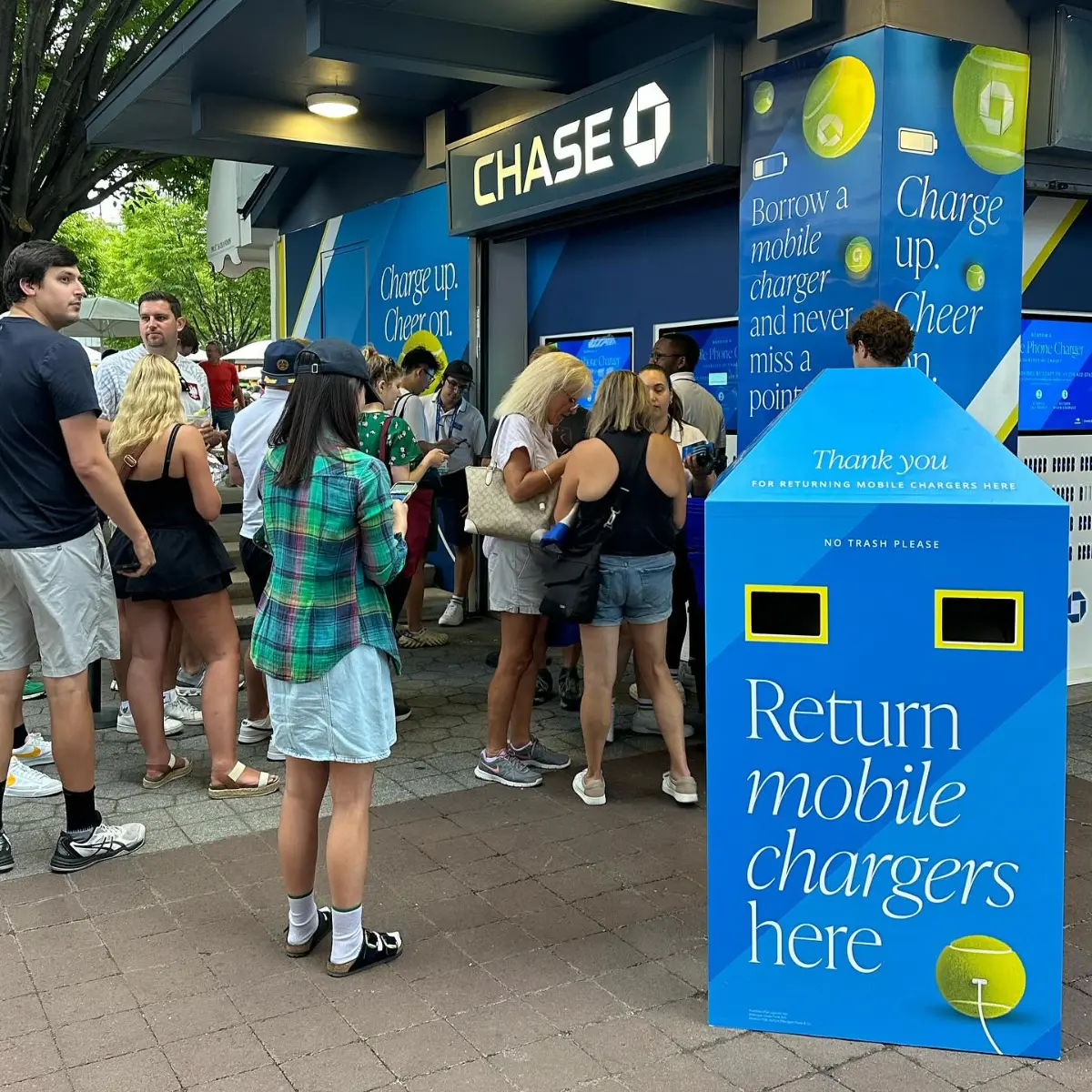
Place based advertising is out-of-home inside the places people choose to spend time. OAAA president and CEO Anna Bager has described it as options like retail and office space, stadiums, movie theaters, elevators, shopping malls and point of care. Charging kiosks live in those venues and add what most venue screens lack: a reason to walk up.
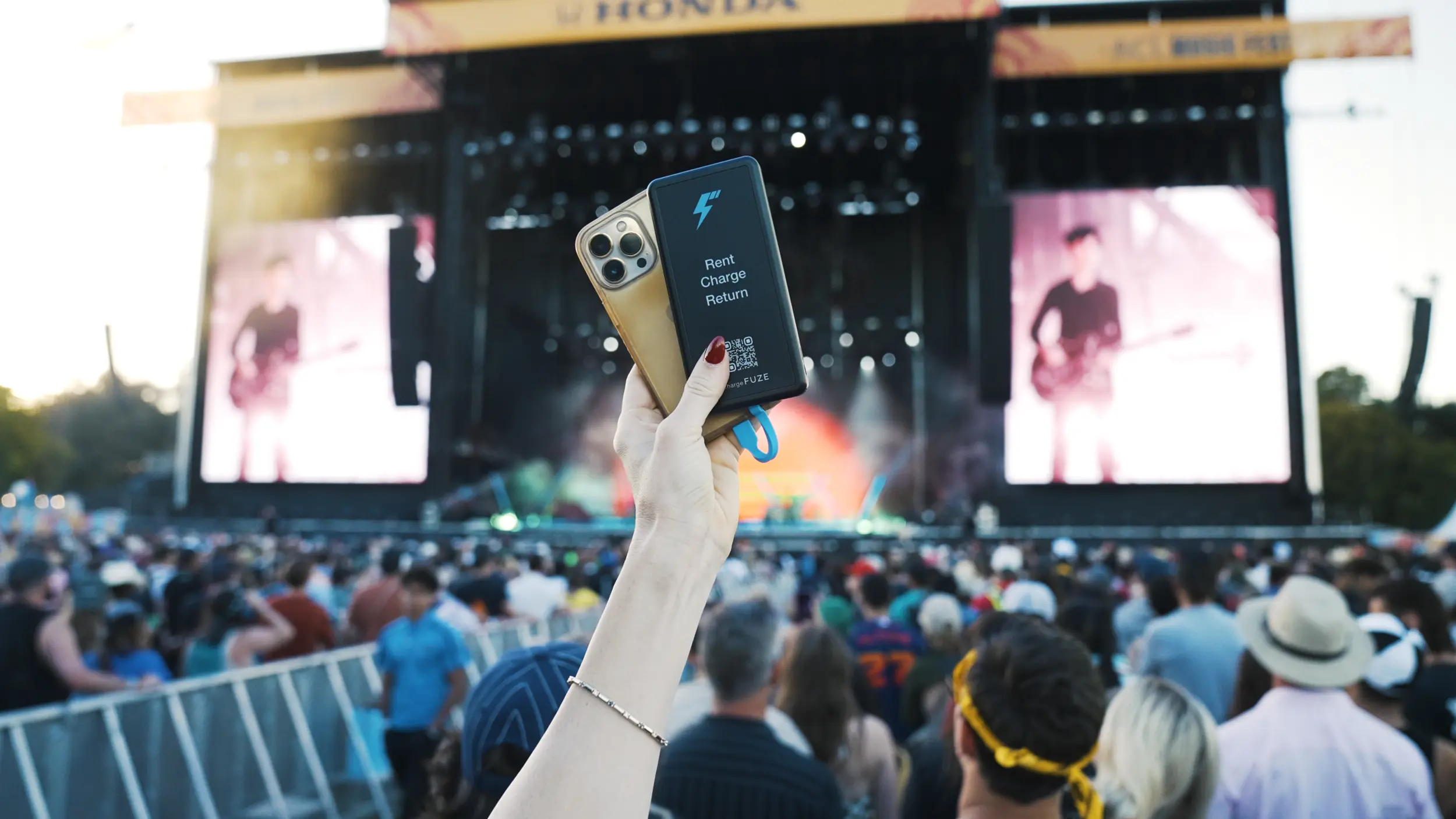
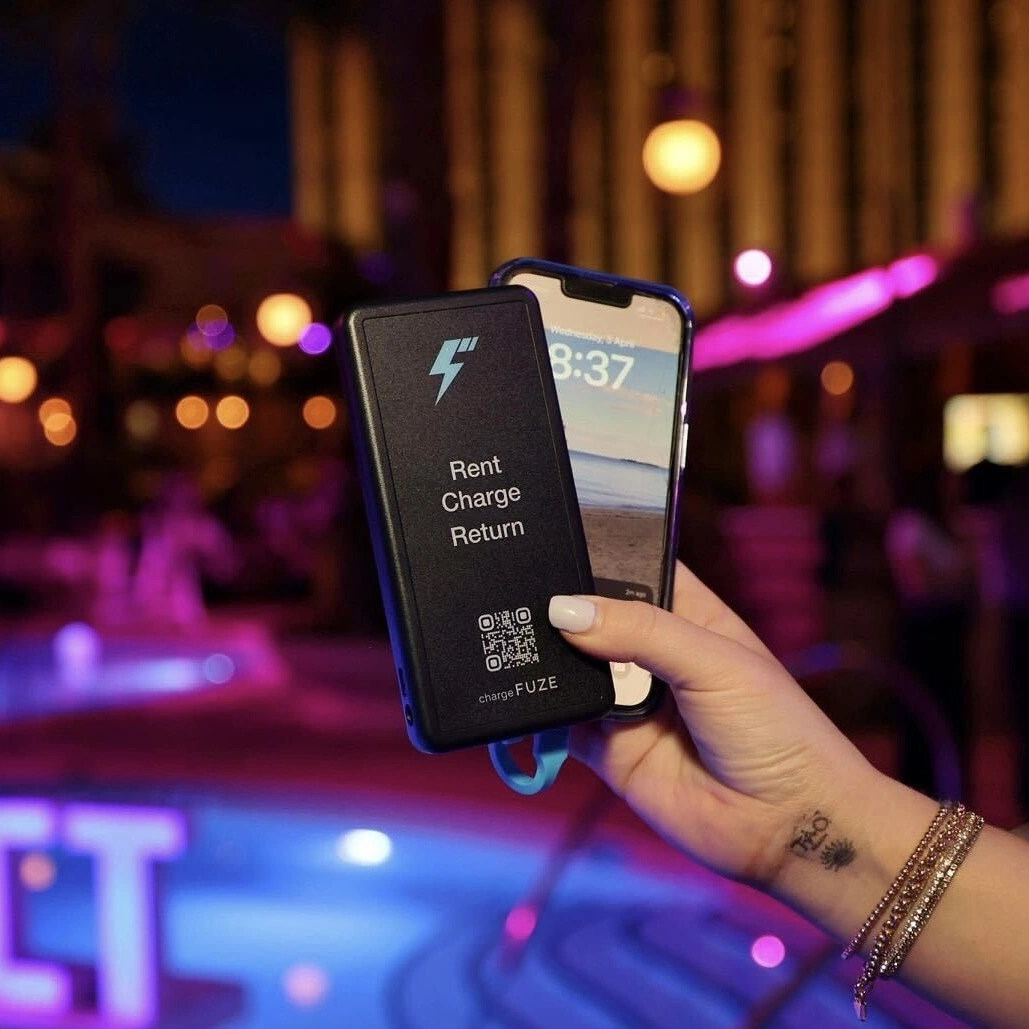
Every rental creates two screen visits. The guest stops at a station to rent a portable charger, then returns it to any chargeFUZE station later, often in another part of the venue. In between, they stay. chargeFUZE says its event charging can increase dwell time as much as 2x, because guests no longer leave over a dead battery.
The setting helps the message. adFUZE pitches its screens as advertising powered by utility, and its sponsorship option ties a brand to “a complimentary, valued service.” At PGA events, Director of Operations Nick Schling said the product “provides great exposure for sponsors through the interactive video screens.”
What does digital billboard advertising cost?
Digital billboard advertising cost depends on the market, the location and how long you run. AdQuick, an out-of-home buying marketplace, answers how much does a digital billboard cost with a range of roughly $1,200 to $15,000 per month. It adds that digital placements can be booked for as little as one day, while static boards generally need about four weeks.
Digital is the premium format. On AdQuick's marketplace, digital bulletins transact at roughly 5 to 12 times the CPM of comparable static bulletins. You also share the face. A digital board rotates among multiple advertisers, so your creative appears in turns, and AdQuick puts a billboard exposure at two to three seconds.
Note: Budget beyond the media. AdQuick suggests creative design at roughly 10% to 20% of total campaign cost and campaign management at 5% to 10%, and says off-peak dayparts on digital boards can cut costs by up to 20%.
Pros & cons of each option
Each card lists four pros and four cons. The kiosk cons are about scale and buying: a smaller audience per screen, reach limited to venues that host stations, no public rate card and portrait creative. The billboard cons are about attention, with short exposures, a shared face and viewers who rarely act on the spot.
Weigh the cons against the job of the campaign. If the goal is awareness across a whole market, the kiosk cons cost you more and a billboard is the better buy. If the goal is a scan, a sign-up or a sale at the venue, the billboard cons carry more weight, since a few seconds of passing traffic rarely ends in action.
Both formats are digital out of home advertising, so both offer flexible creative and programmatic buying. The trade-offs sit in scale, attention and price transparency. New to the category? Start with our digital out of home advertising basics.
Kiosk advertising pros & cons
Pros
- Viewer is stopped at the screen, phone in hand
- The ad sits beside a service the guest wants
- QR codes and offers can be used on the spot
- Sponsorship can brand stations and power banks too
Cons
- Smaller audience per screen than a roadside board
- Reach is limited to venues that host stations
- No public rate card, so every buy is quoted
- Portrait screens need their own creative
Digital billboard pros & cons
Pros
- Unmatched reach across a market
- Flights as short as one day
- Dayparting and real-time creative updates
- Public price benchmarks from buying marketplaces
Cons
- An exposure lasts two to three seconds
- The face rotates among several advertisers
- Viewers in motion rarely act on the spot
- Creative and management add to the media cost
Which should you choose?
Each list below gives three reasons to pick one format. Check them against where your audience spends time and when you want people to act: on the drive past, or once they have arrived at a venue.
The second line on each list is the quickest test. If the result you need is a scan, a sign-up or a sale while the guest is still on site, the kiosk list fits. If your message can land in a few seconds and the sale can happen later, the billboard list fits better, and the third line on each tells you whether to own a moment or reach at scale.
The right out of home advertising plan starts with the job the screen has to do: be seen by everyone, or get acted on by the right people.
Many plans use both. Billboards build awareness on the drive in, and kiosk screens turn it into action once guests arrive. Talk to Sales to price a kiosk flight next to your billboard plan.
Choose charging kiosk ads if
- Your audience gathers at arenas, malls, casinos, festivals or transit hubs.
- You want a scan, a sign-up or a sale while the guest is still on site.
- You would rather own a moment than share a rotation.
Choose digital billboards if
- You need to reach a whole market fast.
- Your message can land in a few seconds.
- You are launching or reminding at scale, and the sale happens later.
Kiosk ads vs. digital billboard questions
Short answers to the questions media buyers raise when they add kiosk screens to an out-of-home plan. They cover whether kiosk advertising counts as OOH, whether you can buy charging kiosk ads programmatically, and how long a campaign should run.
Is kiosk advertising part of OOH advertising?
Yes. OOH advertising covers ads people see outside the home, and the OAAA resource center says so directly: “From billboards to bus wraps, from digital boards to kiosks, OOH comes in all shapes, sizes, and formats.” Charging kiosk screens sit inside venues, which puts them in the place-based family of digital out-of-home.
Can you buy charging kiosk ads programmatically?
Yes. adFUZE sells programmatic campaigns, which it describes as “adaptive, wide-reaching campaigns through automated ads placed across our robust network,” alongside direct campaigns and sponsorships. Programmatic suits always-on or multi-venue buys, while direct and sponsorship deals suit a specific venue or event. Our post on how programmatic buying changed DOOH explains the mechanics.
How long should an out-of-home campaign run?
There is no single right length. On AdQuick's marketplace, static billboards generally need about four weeks, while digital placements can run for as little as one day. Match the flight to the goal, such as an event's dates or the life of an offer. For custom-wrapped event stations, chargeFUZE recommends 4 to 6 weeks' notice.
Keep reading
All articles