
Text +1 (213) 928-7320
Let's chat!

How To Pitch Venue Owners on Hosting a Phone Charger Kiosk
Most distributor pitches fall apart, not because the product is wrong or the venue owner doesn't see value, but because the pitch itself fails to speak the language venue operators actually think in. Whether you're placing your first five kiosks or scaling to fifty locations, the ability to walk into a venue, read the room, and deliver a pitch that converts is the single most valuable skill in the portable charging distribution business. 61% of consumers now factor charging station availability into their venue choice, and malls with charging options report a 35% increase in customer dwell time. Those are the kinds of numbers venue owners respond to when you know how to frame them.
Why Venue Owners Care About Phone Charging
The first mistake distributors make is assuming venue owners understand the problem the same way they do. You live in the charging world. You know the statistics, the consumer behavior data, and the revenue models. Venue owners live in a completely different reality. Their daily concerns center on foot traffic, per-guest spend, online reviews, and operational headaches. Your pitch needs to start in their world, not yours.
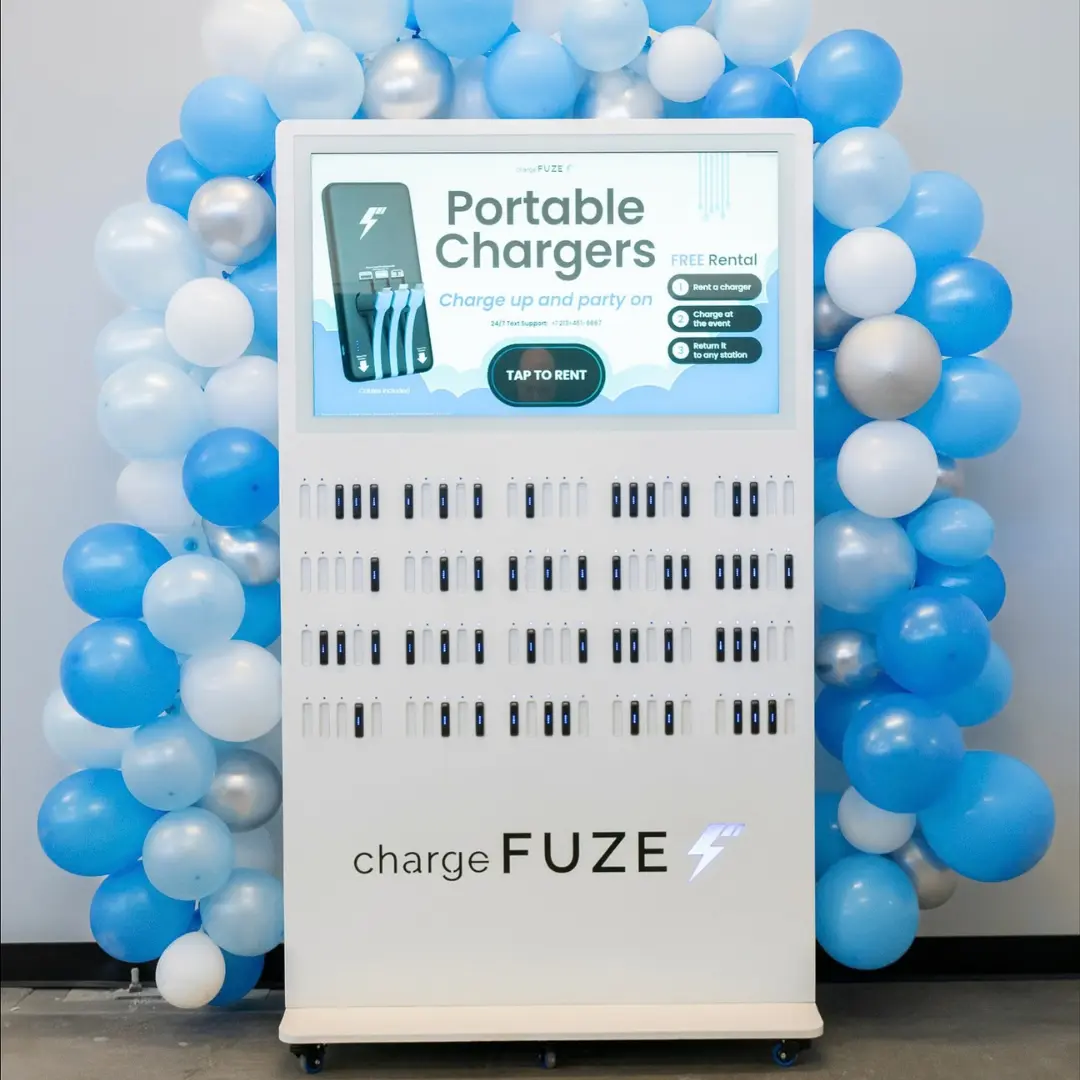
Here's what makes phone charging kiosks relevant to venue operators: low battery anxiety is nearly universal among smartphone users. Americans begin to panic when their phone battery drops to just 38%, and for Gen Z, that threshold is even higher at 44%. 93% of Americans report experiencing anxiety when their battery runs low. This is a baseline consumer stress point that affects behavior inside every type of venue.
When guests worry about their phone dying, they leave earlier, and they spend less. They post fewer photos on social media. They skip the extra drink, the second lap around the store, the impulse purchase near checkout. Charging station availability can increase dwell time by up to 43%, with one regional mall chain reporting that charging lounges added an average of 43 extra minutes per visitor, and a corresponding $23 increase in per-visitor spending. For restaurants and food service venues, the data points to an average check increase of around 17% among guests who charge their devices on-site.
The Five-Part Pitch Framework for Charger Kiosks
Open With a Problem They Recognize
Never open with your product. Open with a frustration that the venue owner has already experienced. Try something like: "How often do your guests ask staff where they can charge their phone?" or "Have you noticed guests leaving earlier than you'd expect during peak hours?" These questions create an immediate connection between a real pain point and the conversation you're about to have. They also position you as someone who understands their business, not just as someone who's trying to place hardware.
Quantify the Cost of Inaction
Once they've acknowledged the problem, attach a dollar figure to it. If their average guest spends $35 and stays 45 minutes, and charging availability can extend that stay by even 15 minutes, the math on incremental revenue gets compelling fast. You don't need to be precise to the penny. Use their own numbers whenever possible.
Present the Solution as Zero-Friction
Venue owners are operationally risk-averse. They've been burned by vendors who promised hands-off solutions and then created more work. Your pitch needs to address this proactively. Explain exactly what the setup looks like: the kiosk's physical footprint, the power requirements (most units need a single standard outlet), the fact that guests self-serve via QR code with no staff involvement, and that maintenance and customer support are handled by the network, not by the venue team. ChargeFUZE has built its entire venue partner model around this principle, handling everything from 24/7 customer support to hardware servicing so that the venue's operational burden stays at zero.
Show Social Proof from Similar Venues
Nothing closes the credibility gap faster than proof that a similar venue is already succeeding with this setup. If you have case studies, use them. If you have photos of kiosks in comparable environments, show them. If you can name-drop a recognizable venue (with permission), do it.
Make the Ask Simple and Low-Risk
Don't end your pitch with "so, what do you think?" End with a specific, low-commitment next step. "Can I bring a unit by next Tuesday so you can see how it looks in your space?" or "I'd love to set up a 30-day pilot—no commitment beyond that. If you're not seeing the results, we pull it out." The easier you make it to say yes, the more often they will.
Building a Business Case That Survives Scrutiny
Some venue owners will say yes based solely on a strong pitch. But the ones managing larger operations will want to see numbers on paper. Here's how to build a business case that holds up when it gets forwarded to a regional manager or CFO:
- Start with venue-specific foot traffic data. Ask the venue owner for their average daily or weekly visitor count. If they don't know exactly, estimate conservatively based on capacity and hours of operation. This becomes your base for all downstream calculations.
- Estimate a realistic rental rate. Industry benchmarks suggest that portable charger rental kiosks in high-traffic venues achieve engagement rates of 2% to 8% of daily foot traffic, depending on venue type and placement. Use the conservative end of this range to maintain credibility.
- Calculate projected monthly rental transactions. Multiply daily foot traffic by your estimated rental rate, then multiply by operating days per month. For a venue with 1,000 daily visitors and a 3% rental rate, that's roughly 900 transactions per month.
- Apply the average rental fee. Most portable charger networks charge consumers between $2 and $5 per rental session. Use the median for your market and multiply by projected monthly transactions to arrive at gross revenue.
- Break out the venue's revenue share. Clearly show the venue's cut as a dollar amount per month, not just a percentage. Venue owners respond to "you'd earn approximately $X per month" far more than "you'd receive Y% of rental revenue." Make the number tangible.
- Add the indirect revenue uplift. This is where the business case gets genuinely persuasive. Reference the dwell time and spending data: if charging availability increases average guest spend by even 10-15%, and the venue serves 500 guests per day, the indirect revenue impact dwarfs the direct rental revenue share. Spell this out with their numbers.
- Account for costs. Detail exactly what the venue is responsible for: typically, one electrical outlet and a few square feet of floor or counter space. No WiFi required for most kiosk models. No staff training. No inventory management. The cost-to-benefit ratio should feel almost absurd.
- Include a breakeven timeline. If there's any upfront cost to the venue, show how quickly it's recouped. Industry data suggests the average ROI timeline for charging station installations ranges from 6 to 12 months, but many zero-cost venue host models deliver positive returns from month one.
- Close the document with a clear call to action. End with exactly what needs to happen next: "To proceed, we need [X]. I can have the kiosk installed within [Y] days of agreement."
Roll up the monthly numbers into an annual figure. Present both the conservative and moderate scenarios side by side. Let the venue owner see the floor, not just the ceiling, as it builds trust when you're not overselling.
Handling the Seven Most Common Objections
No matter how strong your pitch is, venue owners will push back. It means they're engaged enough to think critically about the proposition. The distributors who close the most deals aren't the ones who avoid objections; they're the ones who welcome them. Here are the seven objections you'll encounter most frequently, and how to handle each one:
- "We don't have the space." This is the most common knee-jerk reaction, and it's almost always based on a misconception about kiosk size. Most portable charger kiosks are compact enough to sit on a countertop or fit into a corner that's currently unused. Bring exact dimensions and, ideally, a photo of the unit in a similar space. Some models are as small as 11 by 10 by 8 inches. Reframe the space question: "It takes up less room than a tip jar, and it generates revenue."
- "Our guests don't need that." Counter this gently with data. When 93% of Americans experience low battery anxiety, and 61% of consumers factor charging availability into their venue choices, the need is well-documented, even if guests aren't voicing it directly. Offer to run a two-week pilot and let the rental data speak for itself.
- "I don't want to deal with maintenance or complaints." This is a legitimate operational concern, and you should validate it before responding. Then explain that modern portable charging networks handle all customer support, hardware maintenance, and charger inventory remotely. The venue doesn't field a single support call. If the kiosk needs attention, the network's operations team handles it.
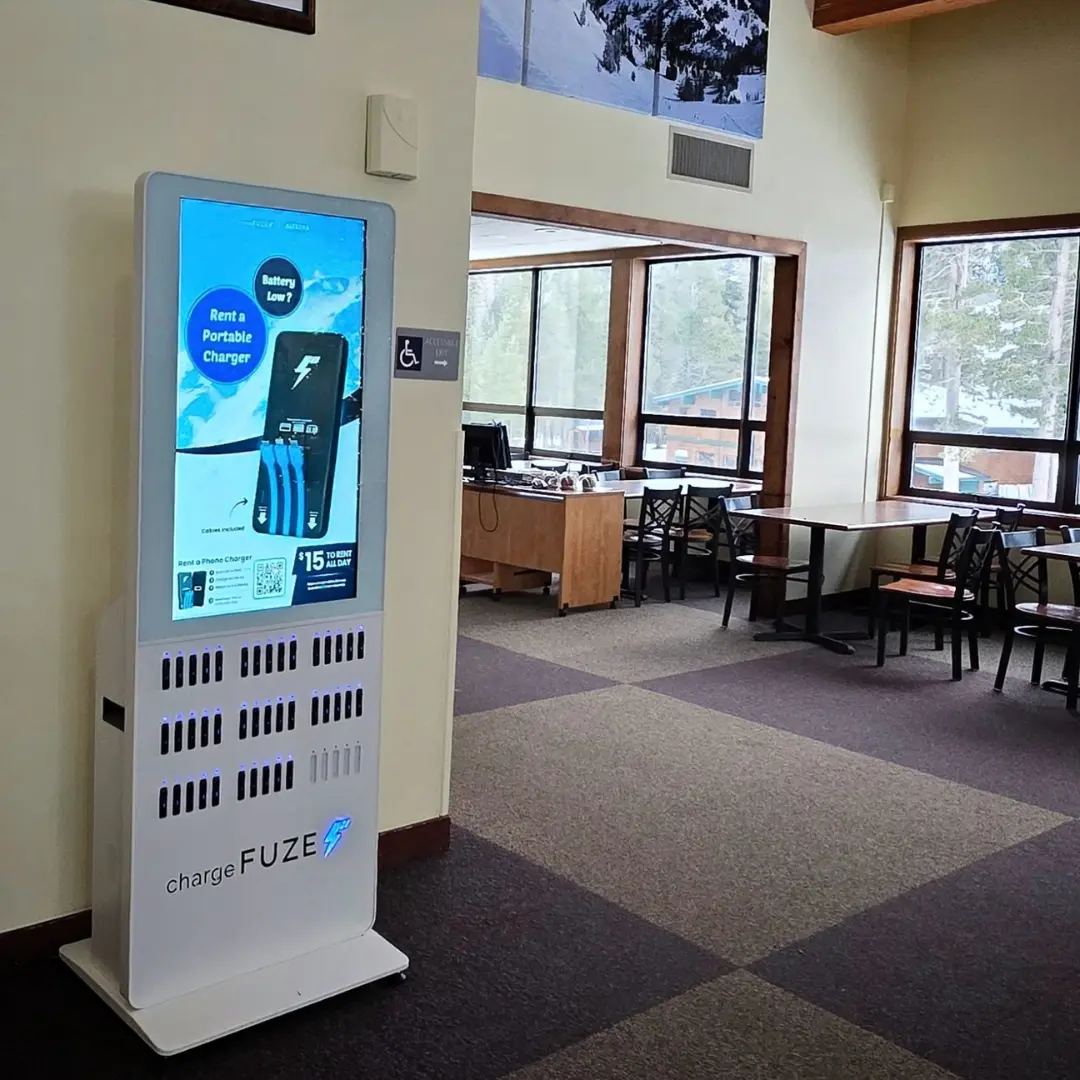
- "What if it looks bad or doesn't match our aesthetic?" This matters more in upscale venues, and the concern is valid. Bring photos of kiosk placements in high-end environments. Many kiosks feature sleek, modern designs with customizable branding options that can complement rather than clash with venue aesthetics. Some networks offer custom wrapping to match the venue's visual identity.
- "We tried something like this before, and it didn't work." Ask what they tried, what went wrong, and when it was. The portable charging industry has evolved rapidly. Older models that required users to leave their phones locked in a cabinet are fundamentally different from today's grab-and-go portable charger kiosks, where guests scan a QR code and carry the charger with them. Acknowledge their past experience, then differentiate the current solution.
- "I need to check with my [partner/landlord/corporate office]." It's a process step. Offer to prepare a one-page summary they can share with the decision-maker, or ask if you can join a brief call to answer questions directly. Make it easy for your contact to advocate internally on your behalf.
- "What's in it for me financially?" Some venue owners will cut straight to this. Be ready with the revenue share structure, presented clearly and without hedging. Show them the business case you built.
Matching Your Pitch to Venue Type
Bars, Restaurants, and Nightlife Venues
For hospitality venues, the pitch lives and dies on dwell time and social media. An Eventbrite survey found that 75% of event attendees share their experiences on social media, with 42% posting during the event. When guests' phones die at a bar or club, the venue loses that organic exposure entirely. Lead with the connection between charged phones, longer stays, higher tabs, and free social media marketing.
Hotels and Resorts
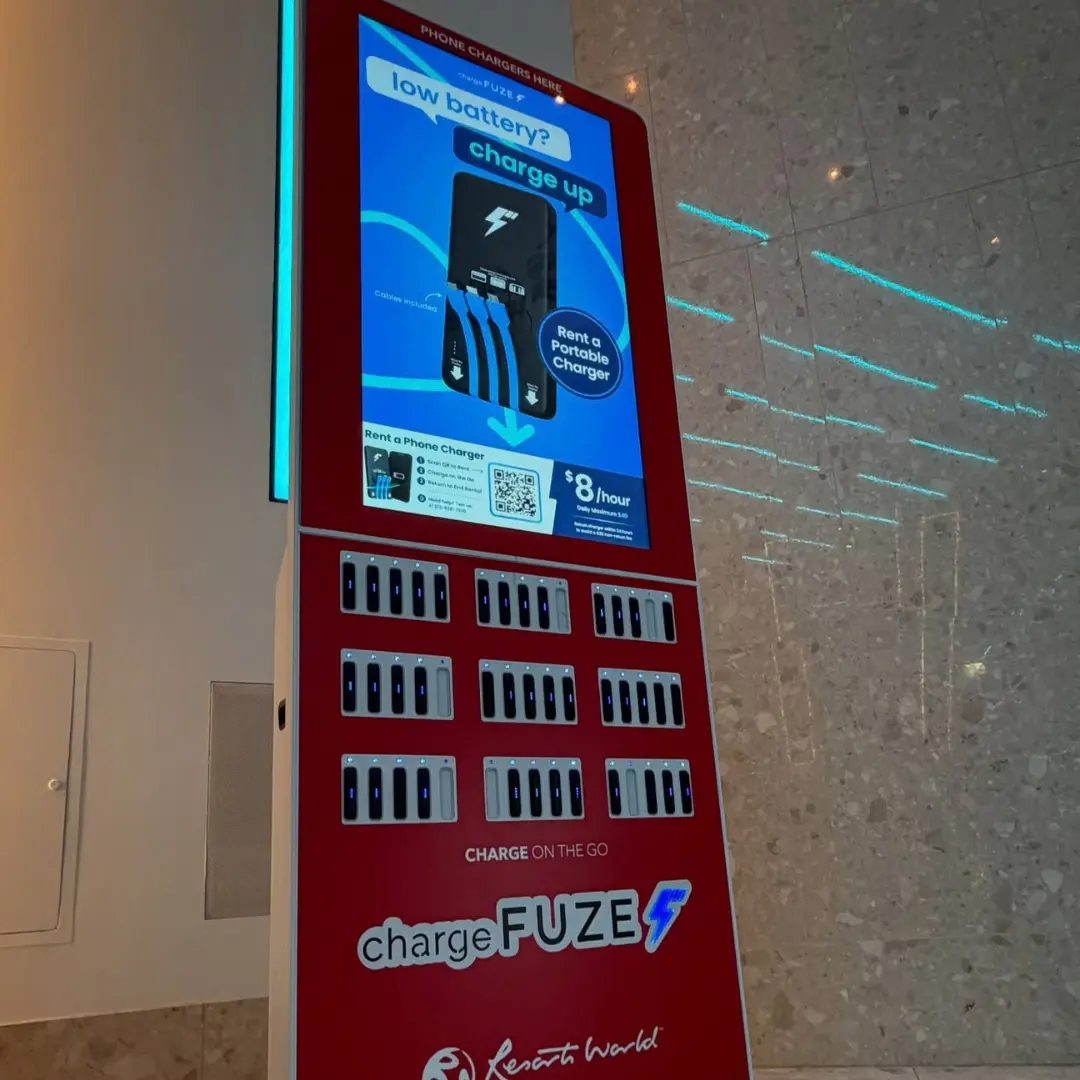
Hotels think in terms of guest satisfaction scores and competitive amenities. A phone charging kiosk in the lobby, pool area, or fitness center directly addresses a top guest complaint while costing the property virtually nothing to operate. Frame the kiosk as a guest experience upgrade on par with complimentary WiFi, something that was once a differentiator and is quickly becoming a baseline expectation. Enterprise hospitality partners like Resorts World Las Vegas have already integrated portable charging networks into their guest experience strategy.
Retail and Shopping Centers
Retail is all about time-on-premises and per-visit spend. The data here is your strongest asset: charging stations in malls correlate with a 35% increase in dwell time and measurable lifts in nearby store sales. Position the kiosk as a traffic driver that pays for itself through incremental guest spending. For multi-tenant properties, pitch the kiosk as a shared amenity that benefits all tenants—this makes it easier for property managers to justify the decision.
Stadiums, Arenas, and Event Venues
These venues have massive foot traffic but limited individual engagement time with each guest. Fans at sporting events and concerts rely on their phones for digital tickets, cashless payments, social sharing, and ride-hailing when the event ends. A dead phone at a stadium can strand someone without a way to get home.
Healthcare Facilities
Hospitals and clinics may seem like an unusual placement, but patients and visitors spend hours in waiting rooms with limited access to outlets. Charging kiosks in these environments improve the patient experience, reduce anxiety during already stressful visits, and signal that the facility cares about comfort. The pitch here emphasizes patient satisfaction scores and the facility's reputation, not revenue.
The difference between distributors who place kiosks consistently and those who struggle isn't usually the quality of their product or the strength of their data. It's follow-through. The most effective charging kiosks distributors treat the initial pitch as the beginning of a relationship, not a one-shot sales attempt.
After your first conversation, send a brief follow-up email within 24 hours that recaps the key points, includes the business case document, and proposes a specific next step with a date. If they expressed a particular concern, address it directly in the follow-up with additional information or a relevant case study. If they need internal approval, provide materials formatted for easy forwarding. Persistence matters, but so does reading the room. Research consistently shows that most prospects say no multiple times before saying yes, and the vast majority of salespeople give up after just a few attempts. The distributors who build large venue networks are the ones who follow up without being pushy, who check in with genuine value rather than generic "just touching base" messages, and who understand that timing often matters more than the pitch itself. A venue owner who says "not right now" in January might be ready in March when they're planning their spring patio setup. Once you do close an agreement, treat the first 30 days as a critical proving period. Check in on rental volume, ask the venue owner how guests are responding, and address any placement or visibility issues proactively. A kiosk that's performing well in one location is your best sales tool for the next ten. Ask for referrals. Ask if they have contacts at other venues. The best pitches end with an advocate who sells on your behalf.
Sources
- Global Growth Insights – Cell Phone Charging Station Market Size & Forecast 2033 (globalgrowthinsights.com)
- Talker Research – Survey of 2,000 Americans on Battery Anxiety, published via StudyFinds, April 2025
- Payless Power – What Do Americans Really Know About Smartphone Batteries?, October 2024 survey of 1,010 Americans
- Cognitive Market Research – Global Mobile Phone Charging Station Market Report, 2024
- Data Horizon Research – Cell Phone Charging Station Market Size, Growth and Analysis Report 2024–2033
- HonestWaves – Public Phone Charging Locations: Business Benefits and ROI Data
- Eventbrite – Survey on Event Attendee Social Media Behavior
- LG Electronics – Low Battery Anxiety Survey, conducted by Ebiquity among 2,000 U.S. smartphone users
- Pew Research Center – Smartphone Ownership Statistics
- chargeFUZE – Boosting Venue Traffic with Phone Charging Stations (chargefuze.com/blogs)
- chargeFUZE – Increase Dwell Time and Sales with Business Charging Stations (chargefuze.com/blog)
- SPOTIO – How to Handle Sales Objections: B2B Field Sales Framework
- Highspot – The Objection-Handling Playbook for B2B Sales Reps
- Business Research Insights – Cell Phone Charging Station Market Size, Share, Forecast 2025–2033
