Text +1 (213) 928-7320
Let's chat!

12 Conference Amenities Attendees Expect, Including a Phone Charging Station
Attendees judge a conference by more than its speakers. Here are 12 amenities they now expect, from wifi that holds up to a phone charging station near every session, and how to plan each one.

The verdict
Most attendees will forgive a session that runs long. They are less patient with wifi that drops during a demo, a phone that dies before the last meeting or a long line for a badge. Amenities rarely make the brochure, but they shape what people say about your event on the way home.
This list covers the 12 amenities attendees now treat as standard, why each matters and what to settle before the doors open.
Why amenities shape the conference experience | The details attendees remember
Conference planning usually starts with the agenda: speakers, sessions, the expo floor. Attendees live the day differently. For them it is a chain of small moments between sessions, and each one goes smoothly or it doesn't. The conference experience they describe afterward is built mostly from those moments.
Phones raise the stakes. About nine in 10 U.S. adults (91%) own a smartphone, according to a 2026 Pew Research Center survey, and at a conference, a phone holds the ticket and the agenda, plus every contact made that day. Good amenities protect the attendee experience at the points where it is most likely to break. None of them are flashy conference ideas, just the basics attendees assume will be there.
- First impressions Check-in, wifi and signage set the tone in the first ten minutes, before anyone hears a speaker.
- Energy all day Food, water, quiet rooms and a charged phone keep people in sessions through the afternoon.
- Reasons to return An easy day is what attendees remember when next year's registration opens.
91% of U.S. adults own a smartphone, per Pew Research Center (2026)
Amenities conference attendees expect | 12 amenities that make a conference feel easy
Conference attendees rarely list these on a feedback form until one goes missing. Use the list as a planning checklist: wifi, check-in and a phone charging station belong in the venue conversation early, while swag and catering can be settled closer to the date.
Fast, reliable conference wifi | Every attendee is online at the same time
Conference wifi tends to fail in a predictable way. It works at breakfast, then crawls when a full ballroom opens the same slide deck or the whole expo floor scans leads at once. Attendees take that as a sign the event wasn't built for them.
Ask the venue what bandwidth it can guarantee per attendee at peak, not the headline speed.
Find out whether exhibitors get their own network, print the login on badges and room signs, and test the main room with every seat full before day one.
- Where it matters: Ballroom, expo floor, lounges
- Plan ahead: Peak load, an exhibitor network
A phone charging station near every session | A dead phone ends the day early

By mid-afternoon, phones that have run the event app and a full day of email since breakfast are running low. A low battery sends people hunting for a hallway outlet or back to the hotel, and some of them skip the last sessions. In a 2016 LG survey of more than 2,000 U.S. adult smartphone users, nearly nine in 10 said they fear losing power on their phone, as FOX 13 reported.
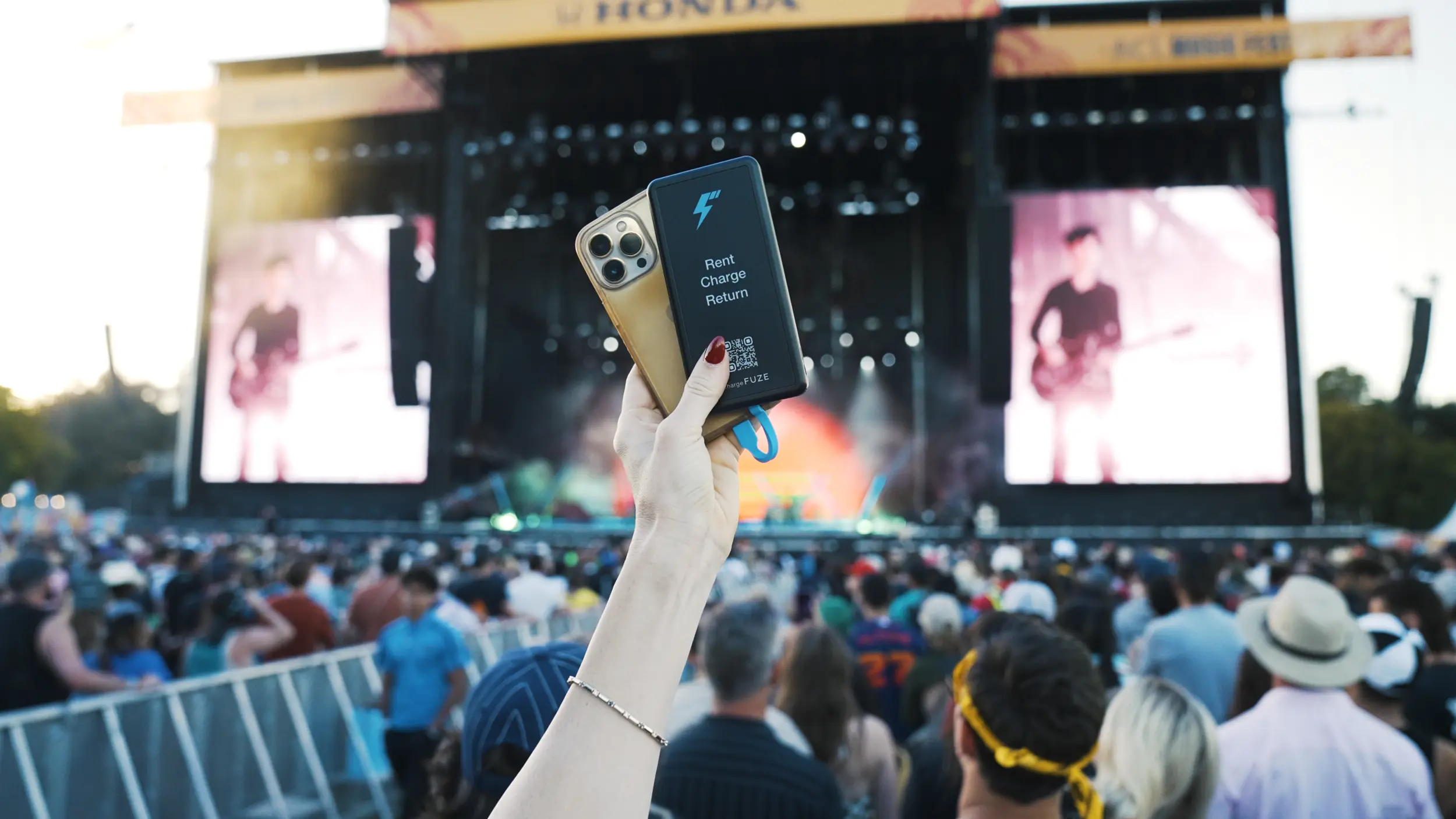
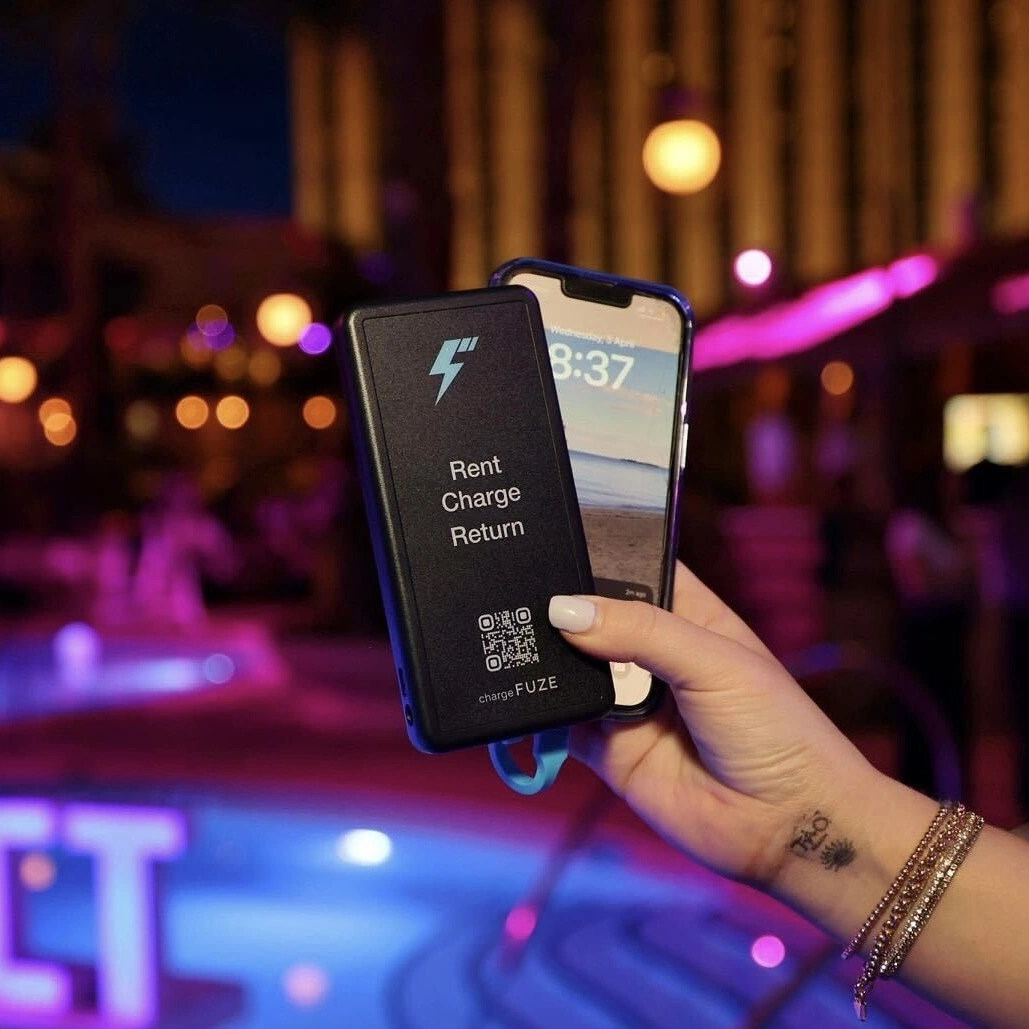
A phone charging station by each cluster of session rooms fixes that without tying anyone to a wall. With chargeFUZE, attendees scan a QR code, take a portable charger with built-in cables and keep it with them in a session or on the expo floor. Phones reach a nearly full charge in under an hour, and the charger goes back to any chargeFUZE station at the event. Here is how charging kiosks for attendees fit into the wider event plan.
CoinDesk used chargeFUZE stations at its Consensus event at the Austin Convention Center and called them "the best looking and most high-tech on the market where guests do not need to be tethered to a machine to charge."
- Where it goes: Registration, session hallways, lounges
- Plan ahead: 15 amps per station, 4 to 6 weeks' notice
chargeFUZE solution: Events
A conference app with live updates | Room changes should reach people in seconds
At many events the conference app has replaced the printed program, and attendees expect it to be current. When a session moves rooms or a speaker cancels, the app should say so before anyone walks to the wrong floor. A good one also carries the venue map, the attendee list and a way to message other attendees. Launch it a week or two out so people can build their agenda before they travel.
Whatever platform you pick, give one person ownership of updates on site. Keep push alerts for changes that matter, or attendees will mute them all.
- Must have: Live changes, maps, messaging
- Plan ahead: One owner for updates on site
Networking lounges & quiet rooms | Space to talk, and space to get work done
Attendees come to meet people, and hallways are a poor place to do it. A lounge with seating, tables and a coffee point gives conversations somewhere to land. A quiet room serves the other half of the day: the call that can't wait, the proposal that has to go out by five.
Keep the two apart and close to the main session rooms. Lounges also make good homes for meetups by industry or topic, and these ideas to boost event networking suggest more formats.
- Where it goes: Beside the main session rooms
- Plan ahead: Seating, outlets, a coffee point
Accessible venues & clear signage | Every attendee should find the way in
An accessible conference starts with the venue: step-free routes between rooms, accessible restrooms on every floor, seating that works for wheelchair users and room for service animals. Signage does the rest. Large, high-contrast signs at each turn help everyone, first-time visitors included.
ADA.gov explains that under the Americans with Disabilities Act, businesses open to the public, hotels among them, must give people with disabilities an equal opportunity to access the goods and services they offer. Read the ADA basics for public venues, ask your venue how it meets its obligations, and ask attendees at registration what accommodations they need. The details depend on the venue and the event, so confirm them with the venue and your own advisers.
- Check: Routes, restrooms, seating, signs
- Plan ahead: Ask about needs at registration
Healthy food & coffee all day | Energy dips at 3 p.m., not just at lunch
Attendees notice when the coffee runs out at 10:30 and nothing appears until lunch. Spread food and drinks across the day: coffee that stays on, an afternoon break with more than pastries, and a lunch that doesn't send people into the next session half asleep. Collect dietary needs at registration, and treat vegetarian, vegan and gluten-free choices as a baseline, not a special request.
Then label every dish with common allergens.
- Where it goes: Breakout areas, expo floor, lounges
- Plan ahead: Dietary needs at registration
Wellness & Quiet rooms | A private room is a small ask with a big payoff
A wellness room serves a wider group: attendees who need to take medication, rest through a migraine, pray or step away from the noise for 15 minutes. Mark both rooms on the map and in the app, and keep them near the main sessions so nobody has to choose between a break and a talk.
- Must have: A quiet area to take calls, a chair, an outlet
- Plan ahead: Both rooms on the map and in the app
A clear conference schedule & session recordings | One schedule, and a way to catch up
A conference schedule should answer three questions at a glance: what's on now, where it is and what comes next. Keep one version, in the app and on screens around the venue, and make sure the printed signs match it. Two schedules that disagree cost attendees more time than a late start.
Recordings fix the other common complaint, two good sessions in the same slot. Record the main rooms, share them afterward, and nobody has to choose.
- Must have: One source, rooms, times
- Plan ahead: Record the main rooms
Conference swag attendees actually keep | Fewer items, chosen for daily use
Plenty of conference swag ends up in a hotel trash can. What survives is what people use every day: a good water bottle, a sturdy tote, a notebook worth writing in. A light bag of useful things beats a heavy bag of logo plastic.
Better still, let sponsors share the cost of fewer, better items, set out on a pickup table so attendees take only what they want.
- Keep: Bottles, totes, notebooks
- Skip: Single-use items nobody asked for
Fast check-in & badge pickup | The first line sets the tone for the day
Check-in is the first thing every attendee does and the first place a conference can go wrong. A long line on opening morning means people miss the keynote and start the day annoyed. Self-service badge printing, separate lines for speakers and exhibitors, and a QR code sent before the event all help.
Open registration the evening before if the venue allows it, staff up for the first two hours of day one, and keep the help desk for lost badges away from the main line.
- Where it goes: Main entrance, hotel lobby the night before
- Plan ahead: Extra staff for the opening rush
Water refill stations | Easy to provide, easy to forget
Attendees talk and walk all day, and bottled water from a concession stand adds up fast. Refill stations near session rooms and on the expo floor keep people hydrated and cut plastic waste, which many attendees and sponsors care about. Ask the venue where its fountains and refill points are, add stations where the floor plan shows gaps, and pair them with the reusable bottle in the swag line.
- Where it goes: Session hallways, expo floor
- Plan ahead: Pair with a reusable bottle
Coat & bag check | Hands free for the whole day
Attendees who fly out on the last day often arrive with a suitcase and nowhere to put it. A staffed coat and bag check lets them sit through sessions and walk the expo floor without dragging luggage, and it keeps aisles clear.
Put it near the main entrance and keep it open until the last session ends. In winter, make sure it can cope with opening morning, when everyone arrives in a coat at once.
- Where it goes: Main entrance
- Plan ahead: Open until the last session ends
Renting phone charging stations for your conference | How chargeFUZE works at your conference
Rent a phone charging station through chargeFUZE's event team: fill out the event inquiry form, and the team sends a bespoke quote plus a recommendation for how many stations you need, based on your event details. It has powered events from 100-person corporate gatherings to large festivals.
- Rent Attendees scan the QR code at the station and take a portable charger.
- Charge Built-in Lightning, USB-C and Micro-USB cables fit most phones, and the charger travels with them.
- Return When they're finished, they return it to any chargeFUZE station at your conference.
Plan for 15 amps of power per station and give the team 4 to 6 weeks' notice, especially for custom wraps and sponsor branding. Stations work on 4G, but chargeFUZE recommends wifi or Ethernet for larger events. Guest support runs 24/7 by text, with the number on every station screen.
Charging also pays off past convenience. Stations can carry sponsor branding on the hardware, chargers and screen, and chargeFUZE provides post-event data and analytics. Treat it as event technology that supports attendee engagement: people whose phones stay alive keep using your app and booking meetings.
Our post on fixing low engagement at events goes further.
Conference amenities FAQ
What amenities do conference attendees value most?
The basics come first: reliable wifi, a place to charge a phone, a clear schedule, steady food and coffee, and a quick check-in. Attendees rarely praise these, but they notice when one is missing. Accessible routes, quiet rooms and lactation rooms matter just as much to the attendees who need them.
How many charging stations does a conference need?
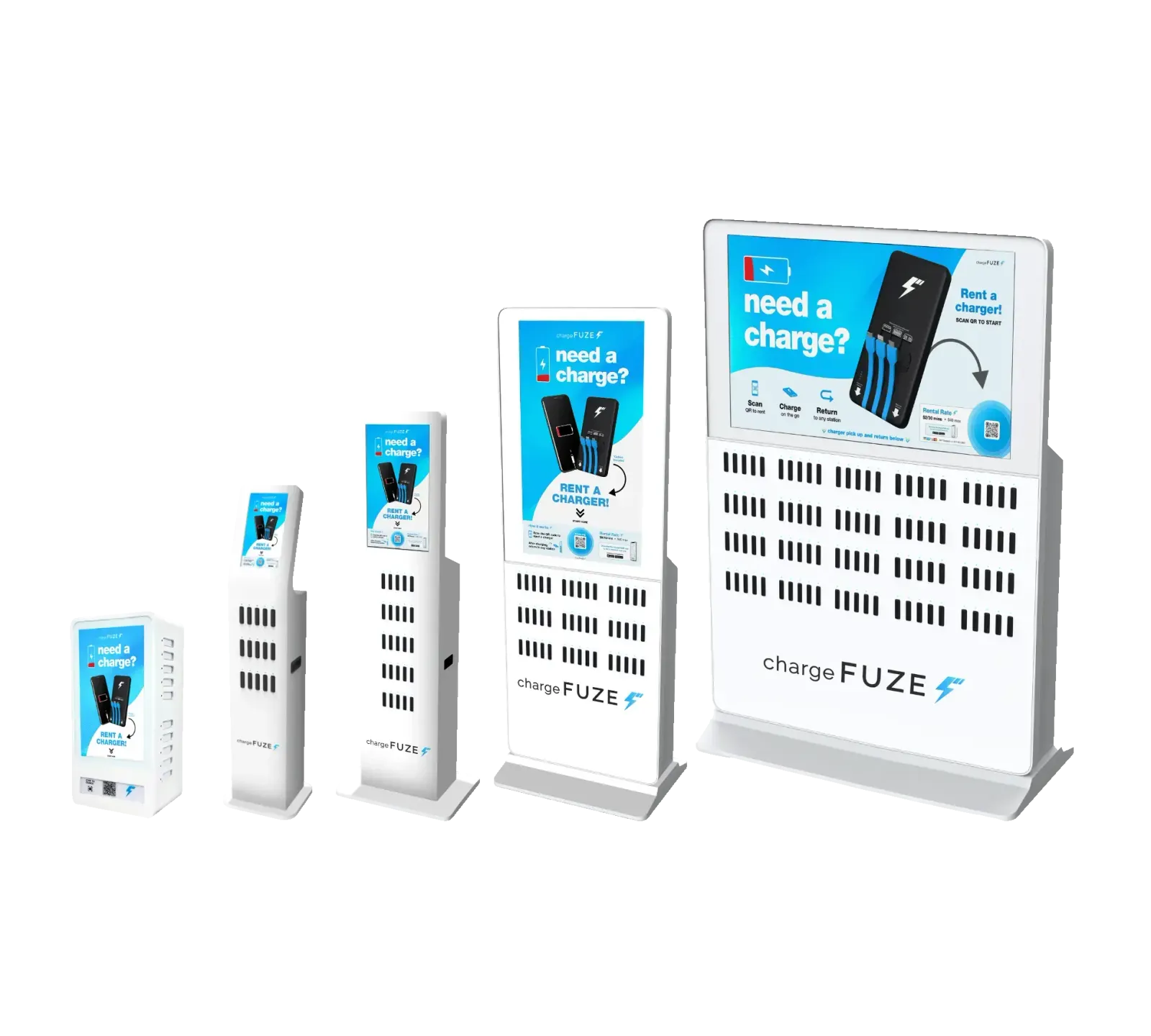
It depends on attendance, how long people stay and how spread out the venue is. A sensible start is a station near each cluster of session rooms, plus one at registration and one in the main lounge. chargeFUZE stations hold 15 to 200 portable chargers, and its event team gives a bespoke recommendation based on your event details.
Can a sponsor pay for conference charging stations?
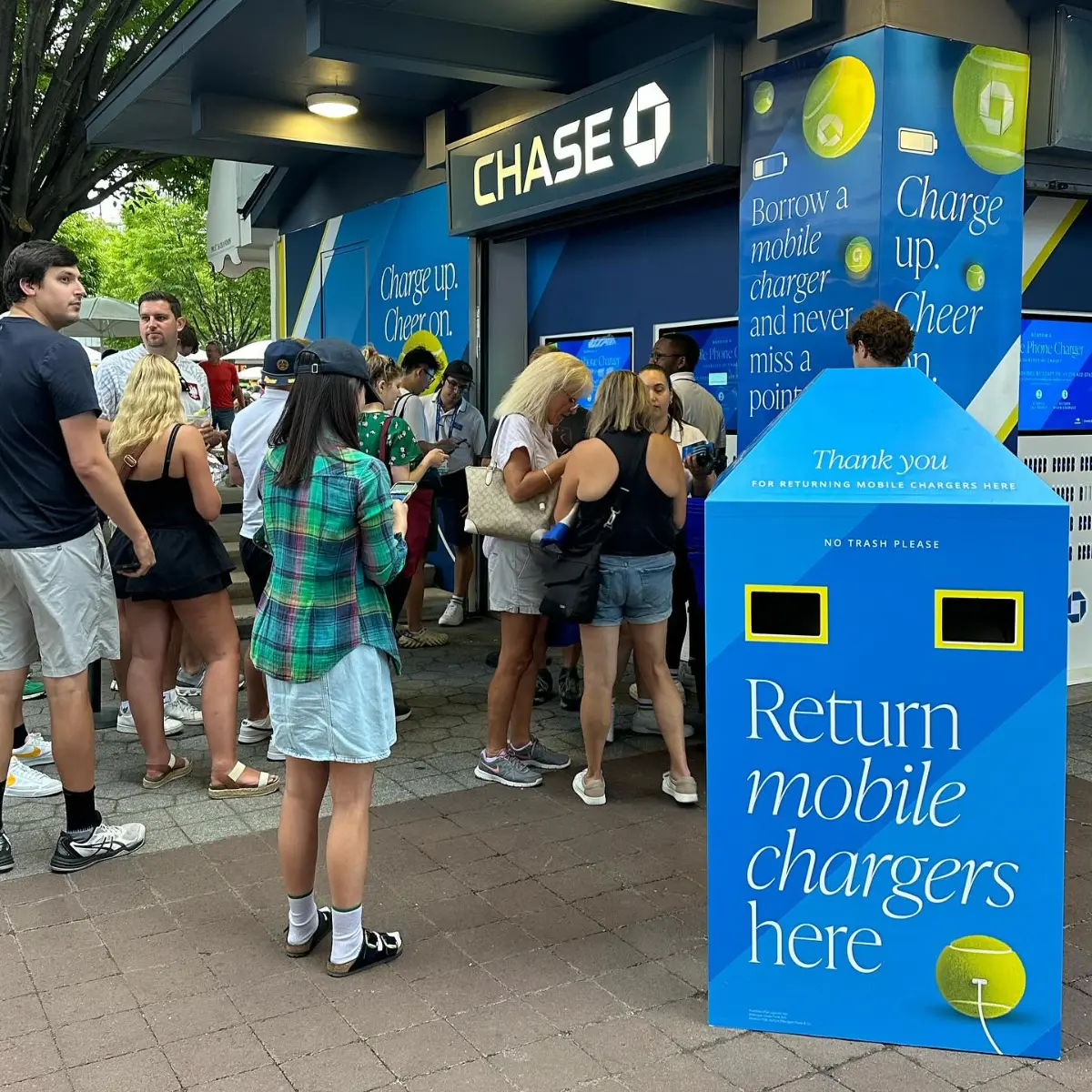
Yes. Charging is a natural sponsorship because every rental puts the sponsor's brand in an attendee's hand. chargeFUZE offers custom-branded stations and chargers plus programmable screens for sponsor messages. A sponsor can also make charging free for guests: at the 2023 US Open, Chase and chargeFUZE gave tennis fans free charging.
Keep reading
All articles